
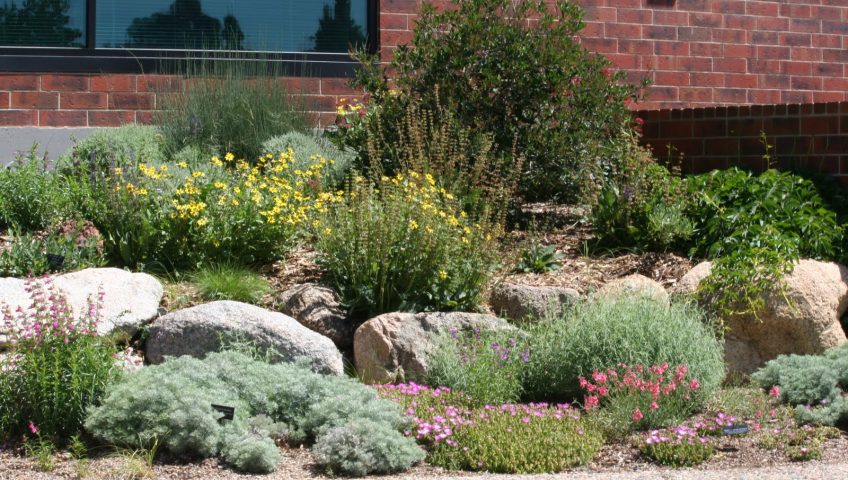
Xeriscaping in Calgary: Save Water With Smart Yard Design
Why Xeriscaping Is Especially Important for Calgary Yards
Water conservation has become an increasingly important topic for homeowners in Calgary. Over the past few years, residents have experienced multiple water restrictions due to infrastructure issues and growing pressure on the city’s water supply. These events have encouraged many homeowners to rethink how they design and maintain their outdoor spaces.
One landscaping approach gaining significant attention is xeriscaping your yard in Calgary—a method of landscaping designed to reduce or eliminate the need for supplemental watering. For Calgary homeowners, xeriscaping is not just a trend; it is becoming a practical and responsible way to design outdoor spaces. Xeriscaping in Calgary is becoming more and more common because you can save water with smart yard design.
Recent Water Restrictions in Calgary
Recent events have highlighted how vulnerable the city’s water infrastructure can be. In December 2025, a major break occurred in the main feeder line supplying water from Bearspaw, resulting in a significant leak and renewed calls for residents to conserve water. This came shortly after another major break on the same line in 2024. This has prompted many Calgary homeowners to xeriscape and save water.
In response, the City of Calgary announced reinforcement work on the Bearspaw South Feeder Main beginning in March 2026. The project is expected to last approximately four weeks, and water restrictions in Calgary began on March 9 during this repair period.
At the time of writing, these restrictions are not expected to extend into the main landscaping construction season, which typically begins in late April or early May. However, the events of the past few years have made one thing clear: water conservation is likely to remain an ongoing concern for Calgary homeowners.
Landscaping is often one of the first areas affected by Calgary water restrictions. In 2024, for example, residents were limited to hand watering with containers for much of the summer and fall. Situations like these have led many homeowners to explore landscaping options that require significantly less water.
What Is Xeriscaping?
Xeriscaping is a landscaping strategy specifically designed to minimize water use. Rather than relying heavily on irrigation systems and thirsty plant varieties, xeriscaping focuses on building landscapes that can thrive with little additional watering. Xeriscaping in Calgary means using specific drought tolerant shrubs that are native to Calgary. Or using other shrubs from other regions that are known to be drought tolerant. The best shrubs for Calgary are locally grown prairie hardened shrubs that can withstand Calgary’s harsh winter climates. Reducing or eliminating lawn areas is another common approach to xeriscaping. The added bonus with xeriscaping is it can be planned and implemented with low maintenance in mind. Low maintenance landscaping for Calgary homeowners is very popular.
A well-designed xeriscape typically includes:
-
Drought-tolerant plants that require less water
-
Native plant species that are well suited to Calgary’s climate
-
Reduced lawn areas
-
Decorative mulch surfaces, such as rock or wood mulch, to retain soil moisture and reduce weeds
The goal is not to eliminate greenery entirely but to design a yard that remains attractive while requiring far less water and maintenance.
Planning your landscaping with water conservation in mind is one of the most effective ways to future-proof your yard.
Lawn or No Lawn? A Common Question for Calgary Homeowners
When homeowners begin planning a water-efficient landscape, one of the first questions they ask is whether to reduce or remove their lawn.
The most common grass used for lawns in Calgary is Kentucky bluegrass. Interestingly, this grass is more resilient than many people expect. Tests have shown that Kentucky bluegrass can often survive an entire growing season without manual watering, relying solely on natural rainfall.
However, there is an important trade-off.
During periods of limited rainfall, the lawn will naturally turn brown. While the grass may survive, it will not maintain the lush green appearance many homeowners prefer. To keep a lawn consistently green throughout the season—especially during the hot summer months of July and August—regular watering is typically required.
Newly installed sod is particularly vulnerable and requires daily watering during establishment. Without sufficient water, new sod simply will not survive.
Sun exposure also plays a major role in water needs. Lawns with south or west exposure tend to dry out much faster and require more frequent watering than shaded areas.
One strategy that can help reduce watering requirements is incorporating trees or large shrubs to provide shade. However, balance is important, as lawns still require at least three hours of sunlight per day to remain healthy.
Reducing Lawn Areas to Save Water
Reducing the size of your lawn—or eliminating it entirely—can significantly decrease water usage. The impact depends largely on what replaces the lawn.
One of the most effective low-water solutions is installing decorative rock or wood mulch over landscaping fabric. This approach suppresses weeds, reduces evaporation, and requires very little maintenance.
While large areas of rock or mulch are extremely practical, they can sometimes feel visually cold or stark. For this reason, many xeriscape designs incorporate drought-tolerant shrubs and plants to soften the appearance and create a more natural landscape.
With thoughtful planning, xeriscaped yards can still look lush, structured, and inviting—while using far less water than traditional lawns.
Planning a Water-Efficient Landscape
If you are considering reducing your lawn or transitioning to a xeriscaped yard, planning ahead is key. Early planning allows you to develop a layout that balances aesthetics, water efficiency, and long-term maintenance.
Professional landscape design can help determine:
-
The ideal balance between lawn, planting areas, and mulch
-
Border and pathway layouts
-
Plant varieties suited to Calgary’s climate
-
The best ways to reduce long-term water use
As water conservation becomes an increasingly important issue in Calgary, xeriscaping offers homeowners a practical way to create beautiful outdoor spaces that are both sustainable and resilient. Xeriscaping and landscaping in Calgary is becoming more and more popular. If you are considering xeriscaping for your landscaping Calgary project get in touch. We can show you how to save water with smart yard design. Estimates are always free!